Journal

Notes on houses, places, and the people who keep them alive. No dates, no comments. Just writing.

What is a kominka?

What is a kominka?

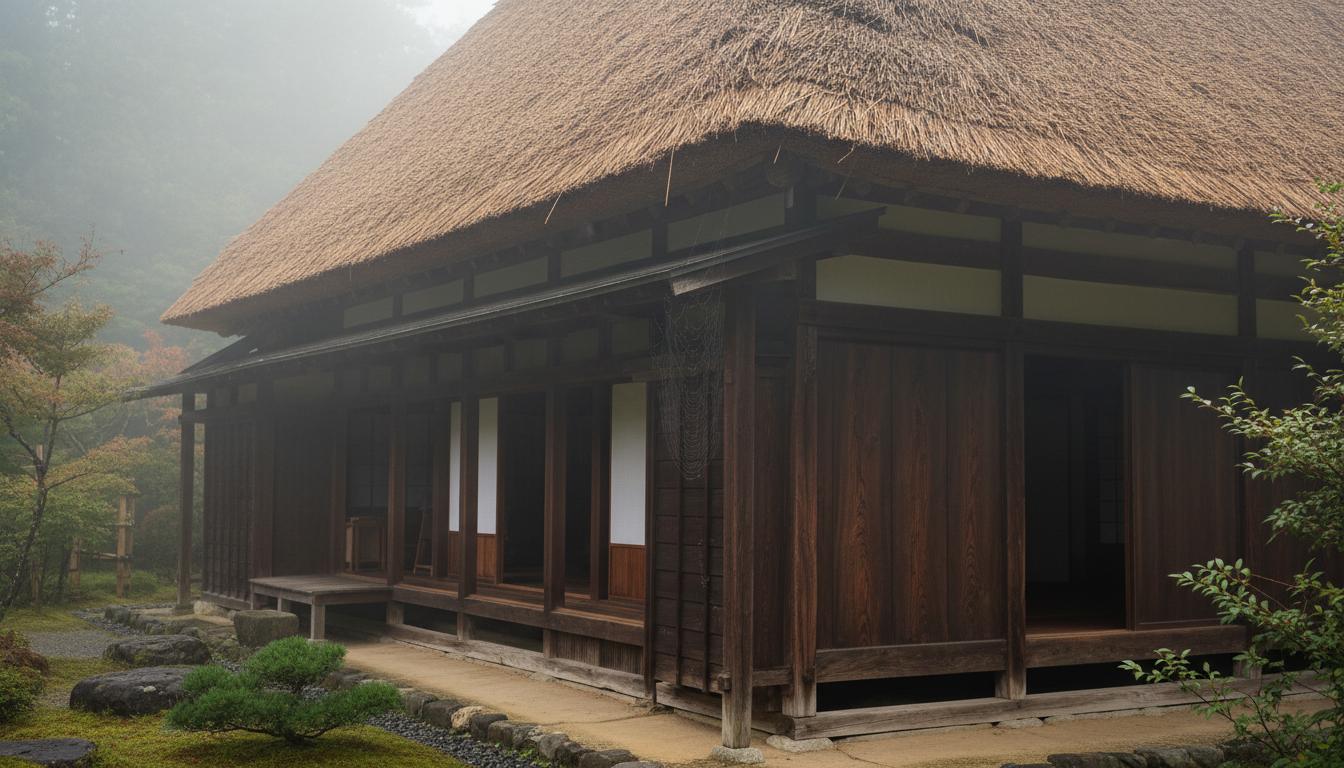
Kominka (古民家) literally means "old house." In practice, it refers to traditional Japanese farmhouses built before World War II, typically using timber frames, thatched or tiled roofs, and earthen walls. These houses were designed for a farming family's needs: a large central room for living and working, a kitchen with a sunken hearth (irori), and storage spaces for tools and harvests.

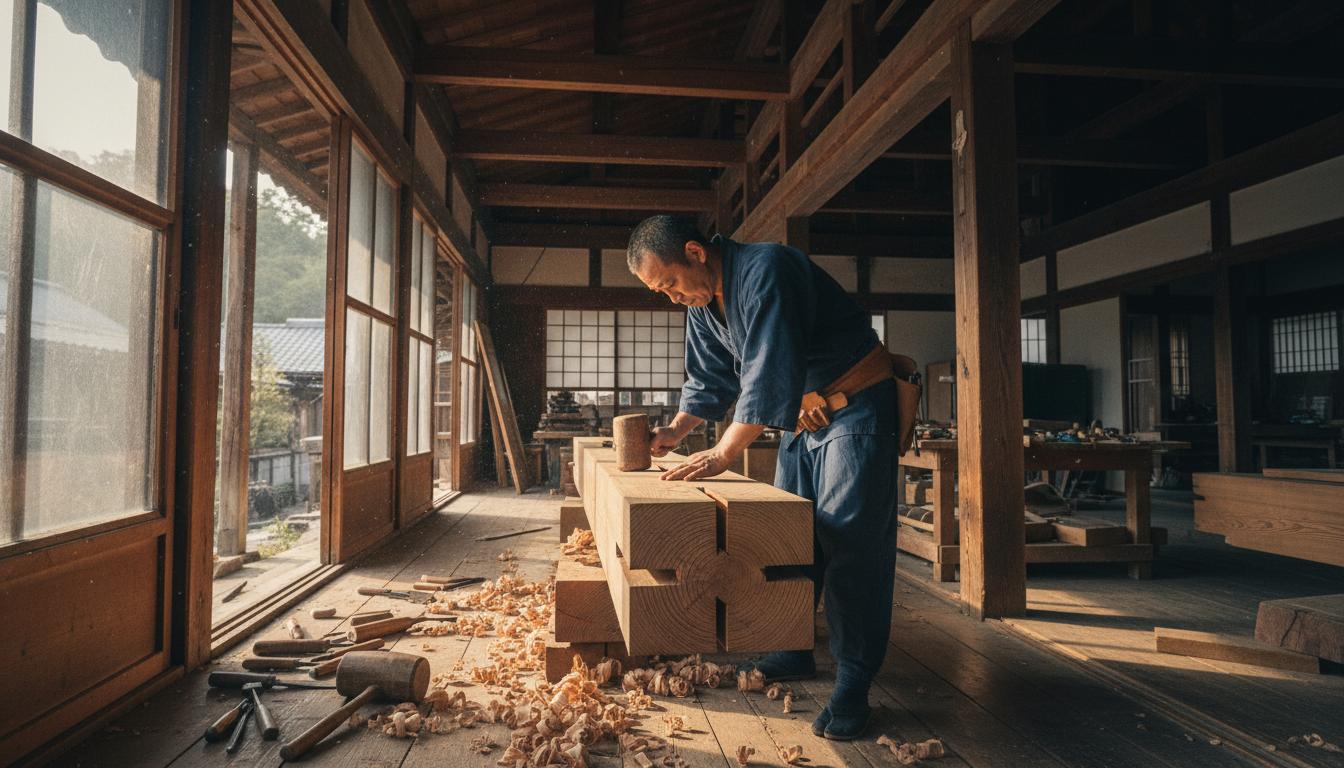
What makes kominka special is the craftsmanship. The wooden joints are cut to interlock without nails. The beams are shaped by hand to account for the natural curve of the tree. A well-built kominka can last 150 years or more if maintained.

We restore them carefully. Toshi replaces rotted beams with new timber from the same species, cut from the same region. We upgrade insulation, plumbing, and electrical systems, but we keep the structure, the proportions, and the materials intact. The goal is not to modernize — it's to make the old house livable again.
Why Gifu?

Why Gifu?

Everyone asks why we didn't choose Kyoto. Kyoto has the temples, the tourists, the infrastructure. It also has Airbnb regulations that make short-term farmhouse rentals nearly impossible, and a cost of living that makes restoration prohibitively expensive.

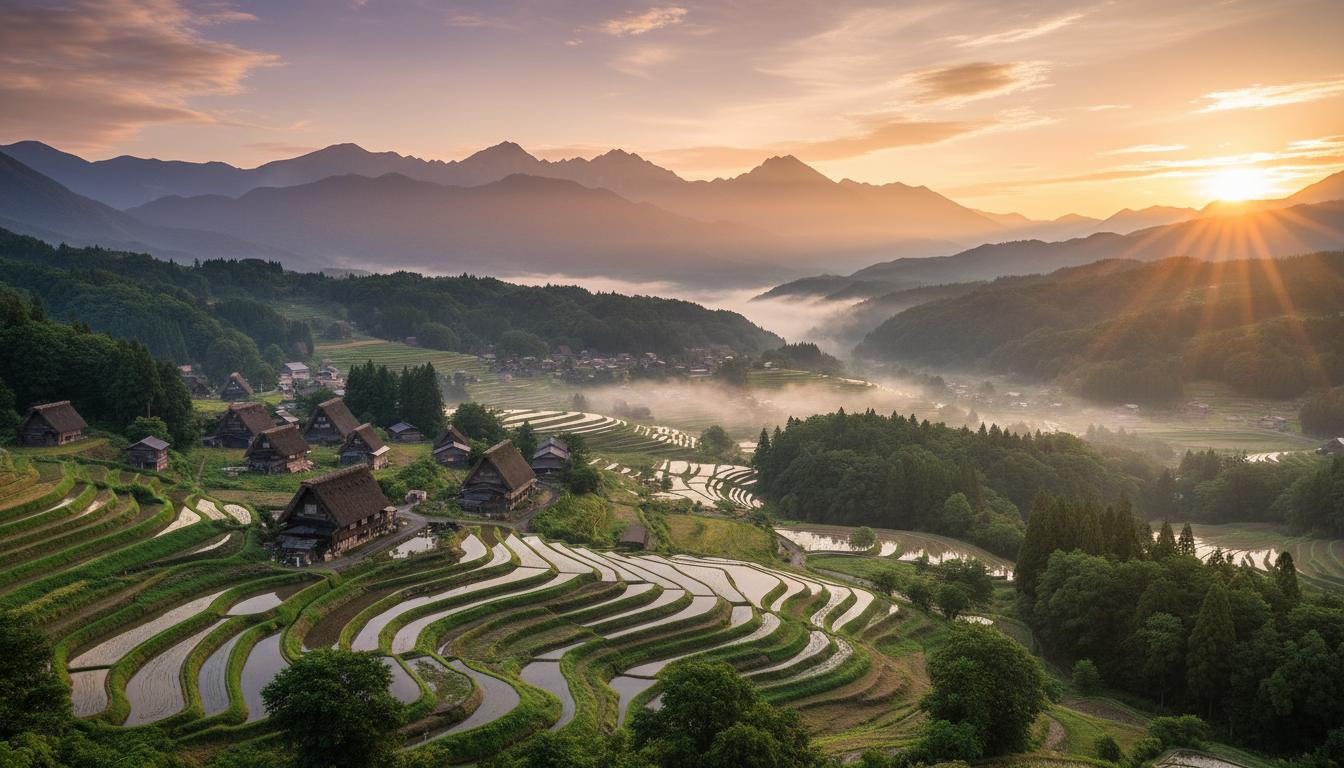
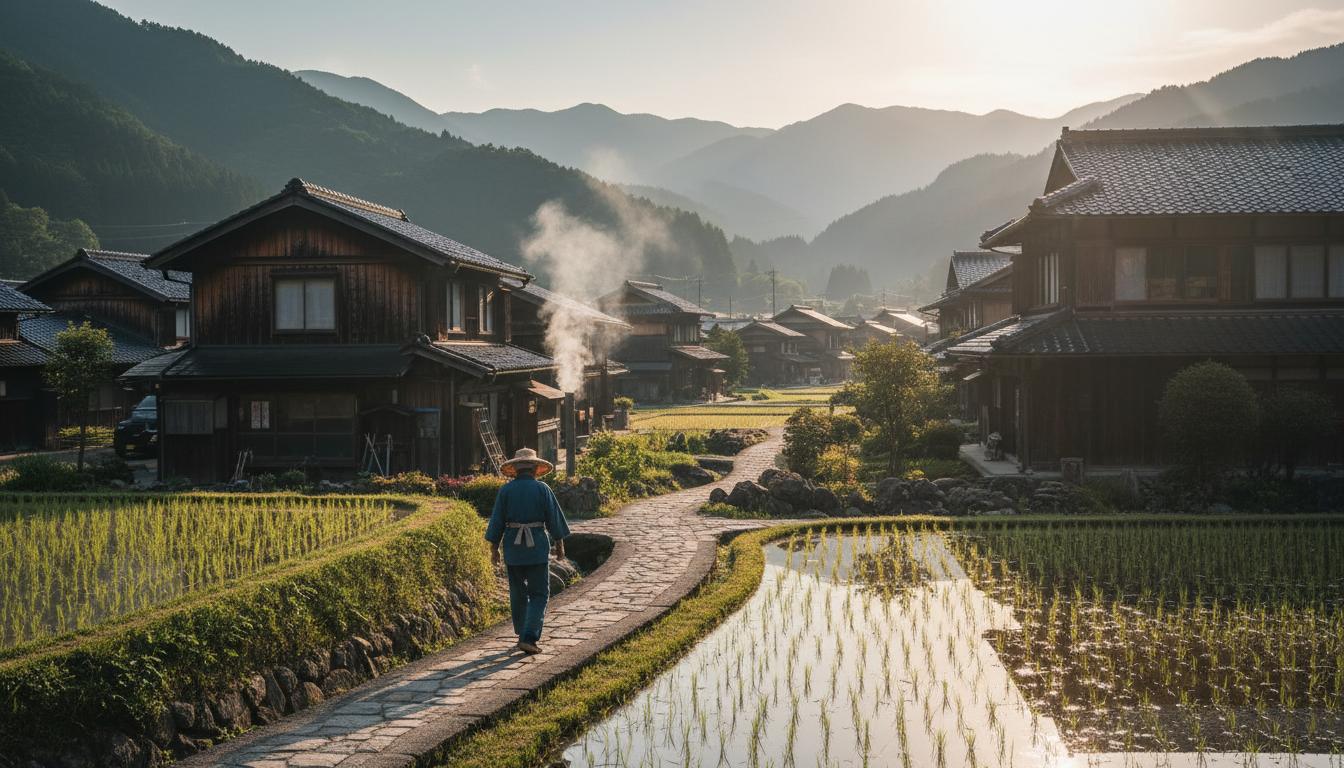
Gifu has something better: the highest concentration of surviving traditional farmhouses in Japan, a landscape that hasn't been reshaped for tourism, and a community of people who still know how to maintain these buildings. The villages here are real. The farmers are farming. The woodworkers are working. We wanted to be part of that, not replace it.

A day in the village

A day in the village

6:00 AM — The sun rises over the eastern ridge. If you're up early, you'll hear the first train pass in the valley below, and the crows starting their morning patrol. Yuki's rooster sometimes joins in.

8:00 AM — Breakfast on the veranda, or in the main room if it's cold. Coffee from the hand grinder, eggs from Yuki if you walked over in time, bread from the bakery van that passes at 7:30.

10:00 AM — Walk or bike the farm roads. The barley fields are golden in June, green in August. You might pass Toshi on his way to check a roof. He'll stop and talk for twenty minutes if you let him.

1:00 PM — Lunch. Simple: rice, pickles, whatever vegetables are in season. Eat at the house or walk to the soba place in the next village.

3:00 PM — Read, nap, work, or take a bath. The stone bath takes two hours to heat if you want it warm. The outdoor shower is always ready in summer.

6:00 PM — Start the fire if it's cold. Cook dinner or walk to the one restaurant that's open. There's no delivery. There's no Uber. Plan ahead.

9:00 PM — The village goes quiet. You might hear a neighbor's television through the window. By 10, it's just frogs and wind. Sleep well.

Restoring old houses

Restoring old houses

Toshi starts every restoration the same way: he sits in the empty house for a full day, watching how the light moves, which way the wind blows through the gaps, where the floor has settled. He says the house tells him what it needs.

The structural work comes first. Rotten sill plates are replaced with hinoki (Japanese cypress) from a sustainable plantation in the next prefecture. Damaged beams are sistered or replaced, never covered up. Toshi uses traditional joinery for structural connections and modern fasteners only where building codes require them.

The insulation is the hardest part. Old kominka have no insulation — they were designed to breathe, with gaps between planks that let air flow in summer. We add insulation behind the walls without sealing the house completely. It's a balance: warm in winter, but not a plastic box.

The finishing is what guests notice. Toshi sands the floors by hand because machine sanders remove too much of the patina. He leaves the axe marks on the old beams. He repairs the shoji screens with paper from the same Gifu workshop that made the originals. It takes longer this way. That's fine.